Know your equipment.
List the appliances and tools you plan to use together. Check the manufacturer’s nameplates or manuals for accurate power requirements.

The right setup begins with your equipment. Get clear on power type, running loads and starting requirements before choosing a generator.
List the appliances and tools you plan to use together. Check the manufacturer’s nameplates or manuals for accurate power requirements.
Motors and compressors can need extra power when starting. Keep starting and running wattages separate.
Consider outlets, phase, run time, location and integration. Discuss the complete application with the GT Power team.
Add appliances, customise wattages and explore matching GT Power generators in our calculator.
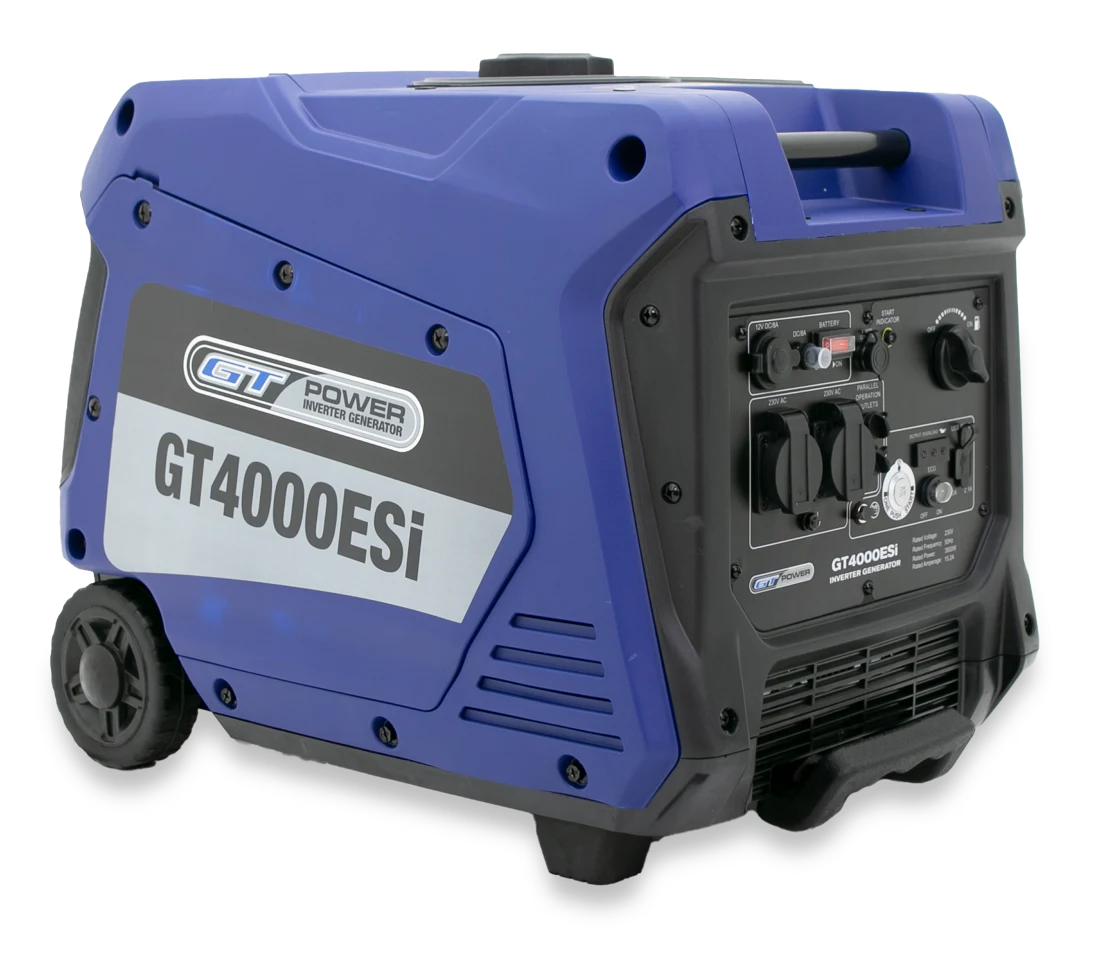
Pure sine wave output for sensitive electronics, with portable formats and a choice of outputs.
Explore inverters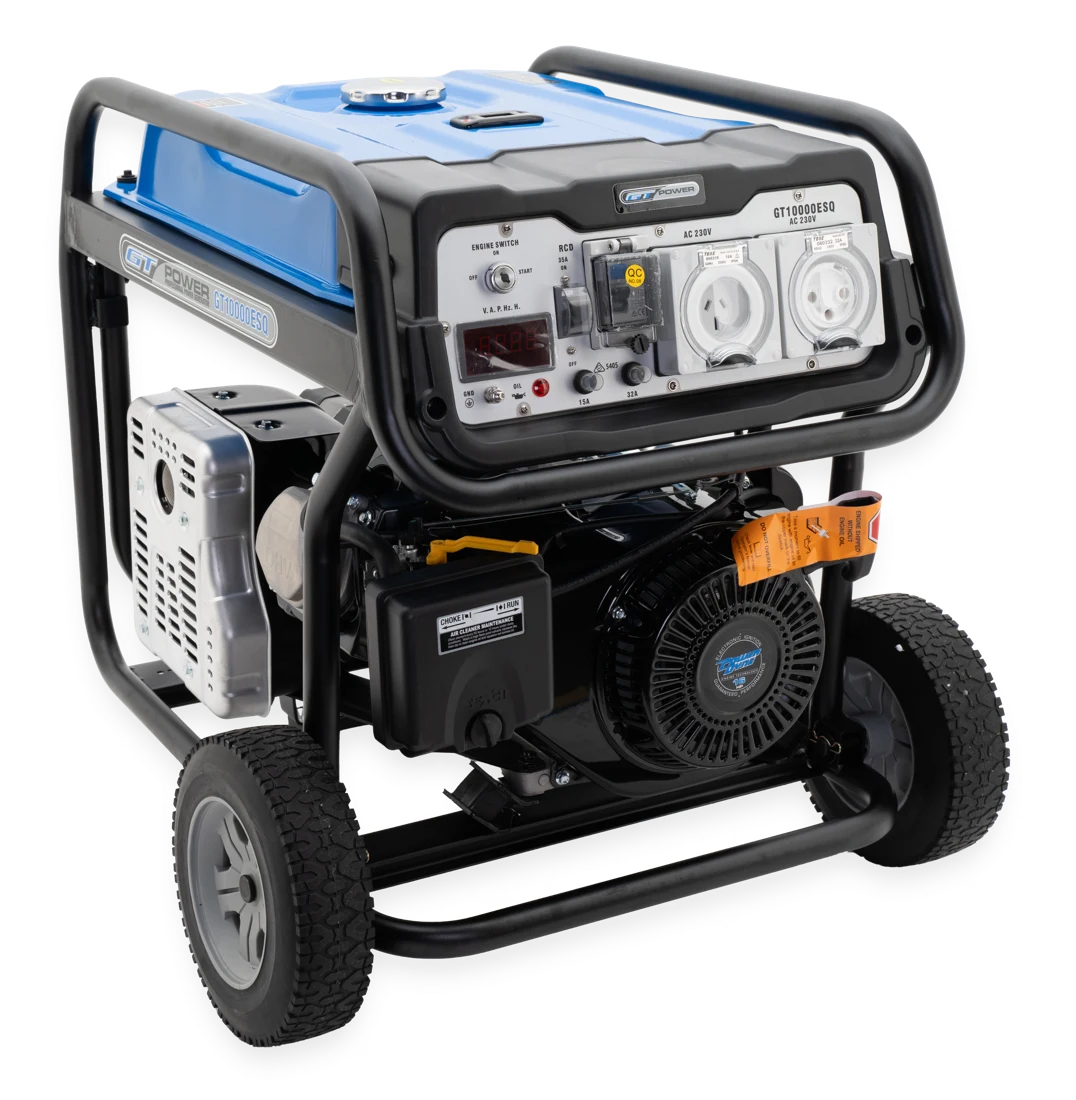
Engine-driven power for a wide range of backup, workshop and site applications.
Explore conventional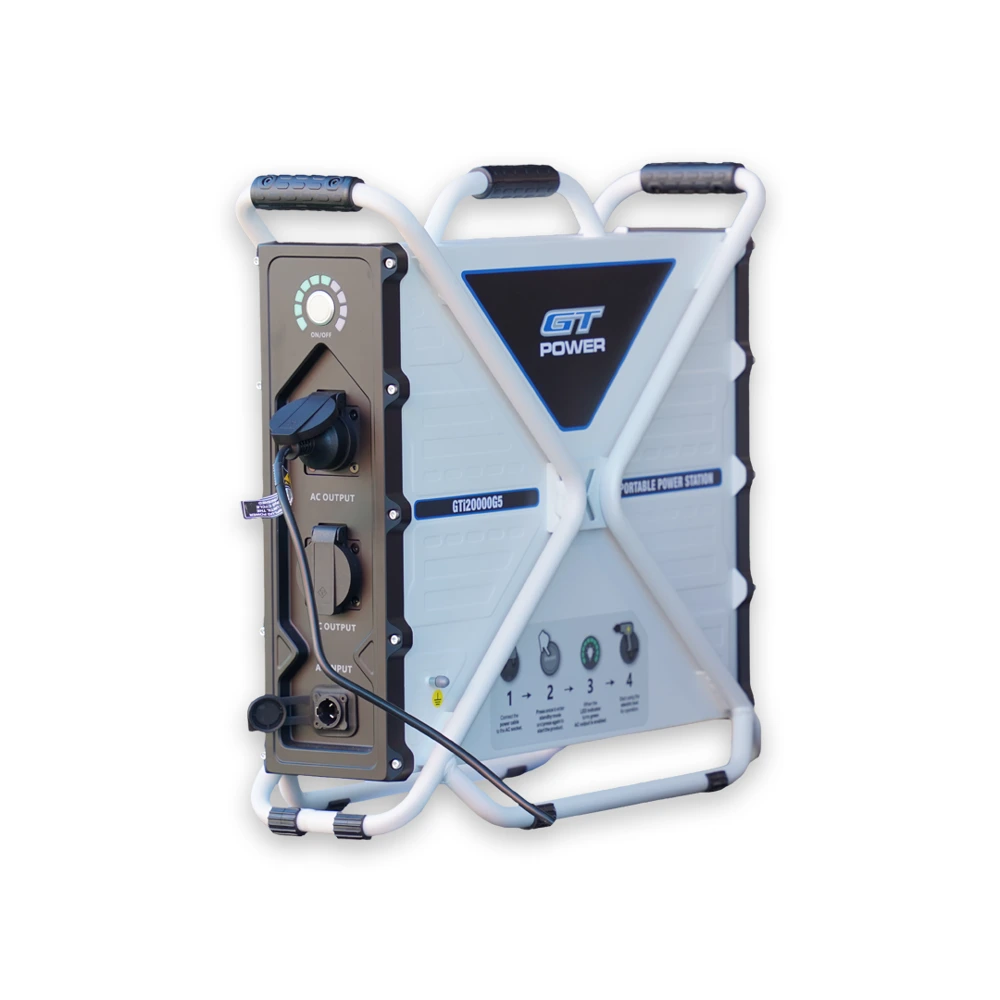
Stored electricity without petrol or exhaust fumes at the point of use. Check capacity and recharge requirements.
Explore battery powerThese are the approximate running and starting figures published in GT Power’s current buying guide. The calculator uses the same figures for these equipment types. Use your equipment’s actual input ratings whenever available; model, size and operating conditions can change the load.
| Equipment | Approx. running W | Approx. starting W | Calculator |
|---|---|---|---|
| Microwave 750W | 750 | 1200 | Add |
| Coffee Maker | 1750 | 1750 | Add |
| Electric Clothes Drier | 5750 | 5750 | Add |
| Washing Machine | 1150 | 2300 | Add |
| Refrigerator | 700 | 2200 | Add |
| Lights | 100 | 100 | Add |
| Colour Television | 350 | 350 | Add |
| Electric Frypan | 1500 | 1500 | Add |
| Dehumidifier | 400 | 400 | Add |
| Computer - Desktop | 700 | 700 | Add |
| Electric Jug | 2400 | 2400 | Add |
| Dishwasher - Cool Dry | 700 | 1400 | Add |
| Dishwasher - Hot Dry | 1450 | 2000 | Add |
| Toaster - 2 Slice | 1250 | 1250 | Add |
| Toaster - 4 Slice | 1600 | 1600 | Add |
| Freezer | 2200 | 2500 | Add |
| Hair Dryer | 800-1700 | 800-1700 | Add |
| Steam Iron | 1800 | 1800 | Add |
| Garage Door Opener - 1/4 HP | 550 | 1100 | Add |
| Garage Door Opener - 1/3 HP | 725 | 1400 | Add |
| Radio | 200 | 200 | Add |
| Blender | 375 | 500 | Add |
| Sump Pump 1/2 HP | 1050 | 2150 | Add |
| Well Pump 1/2 HP | 1000 | 2100 | Add |
| Household Water Pump | 1200 | 2700 | Add |
| Equipment | Approx. running W | Approx. starting W | Calculator |
|---|---|---|---|
| Central Air Conditioner - 10,000 BTU | 1500 | 2200 | Add |
| Central Air Conditioner - 24,000 BTU | 3800 | 5000 | Add |
| Central Air Conditioner - 32,000 BTU | 5000 | 6500 | Add |
| Room Air Conditioner - 10,000 BTU | 1500 | 2200 | Add |
| Circular Saw 7 1/4" | 1400 | 2300 | Add |
| Chainsaw 2HP | 1100 | 2500 | Add |
| Portable Air Compressor | 1200 | 3600 | Add |
| Hand Drill 1/2" | 600 | 900 | Add |
| Drill 1/2" | 600 | 900 | Add |
| Battery Charger 15 amp | 500 | 700 | Add |
| Electric Welder 200 amp AC | 9000 | 9000 | Add |
| Jigsaw | 300 | 400 | Add |
| Electric Weed Trimmer | 500 | 650 | Add |
| Router | 1000 | 1300 | Add |
| Belt Sander | 1000 | 1300 | Add |
| Table Saw 10" | 1750 | 4250 | Add |
| Bench Grinder | 1400 | 2450 | Add |
| Concrete Mixer 3.5c/f | 1900 | 2500 | Add |
| Band Saw | 1100 | 1350 | Add |
| Power Drill - Medium | 1000 | 1200 | Add |
| Power Drill - Heavy Duty | 1500 | 1800 | Add |
| Angle Grinder - 100mm | 1000 | 1200 | Add |
| Angle Grinder - 230mm | 2400 | 2700 | Add |
Starting watts are the total demand while an item starts, rather than an extra load to add twice. If starting and running watts are equal, no additional starting demand is listed. For a published range, the calculator uses the upper estimate. Other Generator Shop examples remain clearly labelled and may have no starting figure. Open the calculator
Traditional portable generators produce power by using an engine to rotate two large coils of wire (the rotor) inside a circumference of magnets (the stator). Each full rotation of the engine produces one complete sine wave of AC power. Therefore, the engine must maintain a constant speed of 3000RPM to produce the standard of 50Hz. (3000 revs / 60 seconds (1min) = 50Hz). No matter what the load, a traditional style generator must run at full speed to provide the correct power.
An Inverter Generator is normally used where power is required for sensitive electronic equipment like PCs, TVs and instrumentation. They are also chosen when portability or size is important and where noise must be kept to a minimum.
A portable generator consists of two main components, a gasoline or diesel-powered engine and an alternator. The alternator consists of a rotor (rotating) inside a stator (fixed). The engine power is used to rotate the rotor inside the stator which generates AC power. Portable generators have many applications at work and around the home and have made outdoor events and projects much easier to tackle.
The GT POWER Range of generators take this convenience and portability to another level with the latest technology and functions.
Talk through your application with the GT Power team.